How to choose PIR insulation for a ceramic block wall?
PIR insulation
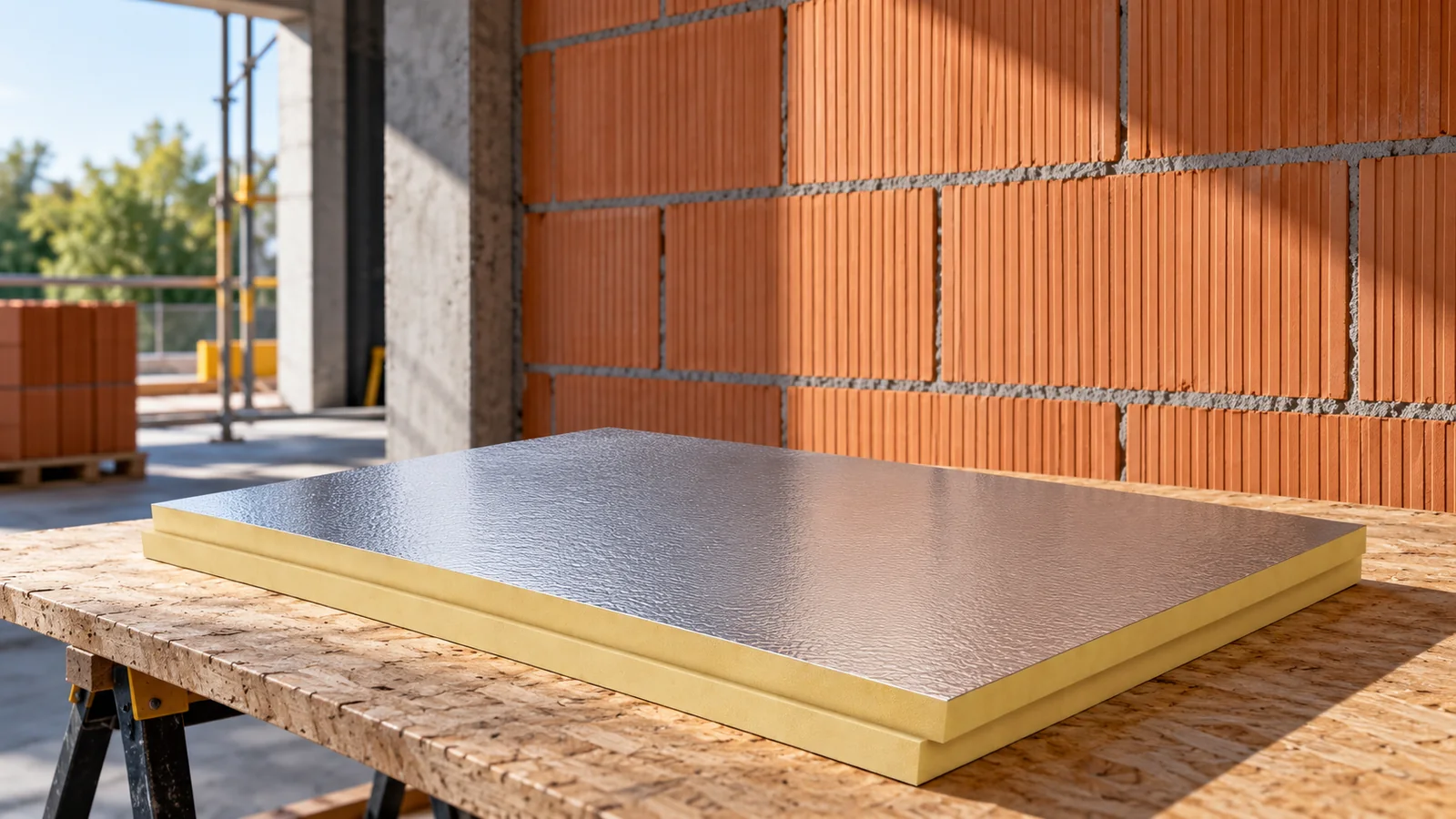
PIR insulation for a ceramic block wall is selected according to the parameters of the entire wall, not just the material name. PIR can reduce the insulation thickness and make it easier to detail around windows or a narrow eaves. However, a board suitable for external walls must be chosen. A standard aluminium facing does not mean that adhesive, mesh and render can be applied directly to the product. Ceramic blocks vary in thickness, void layout and thermal properties. The mortar and the way joints are executed also matter. A wall made of blocks filled with insulation behaves differently from an older wall made of blocks without such filling. Measuring the wall width alone is not enough for an accurate selection.
Why does the type of block not provide a ready answer?
Ceramic hollow blocks vary in thickness, void arrangement and thermal properties. The mortar and the way joints are executed also matter. A wall made of insulation-filled hollow blocks behaves differently from an older wall of hollow blocks without such filling. Measuring the wall width alone is not enough for accurate selection.
For new construction, use the design documentation and material data. For renovation, it is worth checking the actual build-up, including plaster and existing insulation. Do not assume the best catalogue value just because the block looks similar. An error in the input data can hide the need for thicker insulation or for repairing thermal bridges.
How to calculate the required insulation resistance?
First determine the target U-value of the wall. Then calculate the resistances of the existing layers and surfaces. The insulation provides the missing part. In a simple estimate, the insulation thickness results from the product of the required resistance and its lambda. For example, a resistance of 4.0 m²K/W at λ = 0.025 W/(m·K) means 100 mm of material.
This is a calculation for a layer, not a finished façade design. Corrections and junctions must still be taken into account. The value 0.025 is an example for a specific product. You cannot automatically substitute the lambda of an aluminium-faced board to calculate a different board with a glass fleece. In the documentation for some products, lambda also changes with thickness.
Which board is suitable under render?
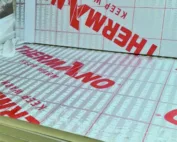
A product specified for the given insulation system is required. It may have a special glass fleece facing or be a composite with a layer suitable for the render. This is a system property. It is not enough to roughen the foil on an ordinary board and use an arbitrary adhesive.
Check the approved set of mortars, mesh, fasteners and render. For some boards, the orientation of the sides during installation is important. When a product combines PIR and EPS, the total thickness includes both materials. The parameter of the PIR core alone does not describe the resistance of the whole board. Compare the declared resistance of the finished product and the system requirements, not just the large lambda label.

How to resolve fixing in hollow ceramic blocks?
The fastener must suit the specific substrate. A hollow block places different demands than concrete. The anchorage zone, the drilling method and the conditions stated in the fastening documentation matter. Do not increase the tightening torque to hide a badly made hole. A damaged block face can impair the load-bearing capacity of the connection.
The number and layout of fixings are determined by the façade, its height and the wind load. Where the masonry is unknown, on-site pull-out tests may be required. The substrate for adhesive bonding should be level and load-bearing. In an old building, the render must be checked beforehand. Fixing into a weak finishing layer does not replace a proper connection to the masonry.
Which details can cancel out the benefit of PIR?
Thinner insulation often helps at window sills, the eaves and the junction with joinery. It still has to be brought to the right place. An uninsulated lintel or a broken strip at the ring beam can remain the coldest part of the wall. The flat façade surface alone does not show the quality of the whole building envelope.
Plan the treatment of the plinth, balconies and openings. The plinth may require a different material from the wall above. At the contact with the ground, water and mechanical resistance matter. The same PIR product should not automatically be continued there. Also check the routing of pipes and cables. Their routing must not arbitrarily weaken the insulation or damage its facings.
When is it worth paying extra for thinner insulation?
PIR has an advantage where additional centimetres complicate construction. This may be a narrow passage, a short eaves overhang, a deeply recessed window or a detail that is difficult to extend. In a simple house with plenty of space, the cheaper EPS variant may be more economical. Mineral wool must be considered where specific fire or acoustic requirements are decisive.
Request a quote for the complete system at the same target thermal performance. Include substrate preparation, fixing, reinforcing layer and flashings. Also ask for drawings of difficult details. The choice then follows from the conditions of the specific wall, not from a general ranking of insulation materials.
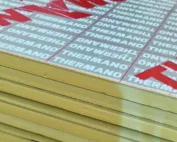
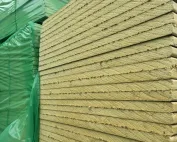
On delivery of the material, compare the markings with the order. A board with a similar appearance may have a different purpose or a different side for bonding. Also check the condition of the edges. A damaged tongue and groove makes tight laying difficult, and a warped board may need clarification before installation. It is not worth starting work on the assumption that the adhesive layer will level out every defect. Documentation and delivery inspection reduce the risk of a later dispute over the cause of façade damage.
7 branches. Materials closer to your project.