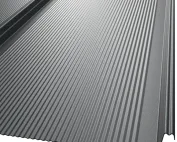
How do single, double and snap-lock standing seams differ?
Sheet metal and roofs
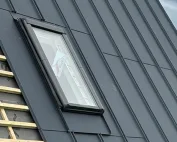
Single and double standing seams are formed by folding the edges of the sheet metal. A snap-lock panel has a factory-formed lock and joins without such closing on the roof. From the outside, the solutions can look similar, but they differ in fixing technique, substrate requirements and details. They should not be assigned a single minimum pitch or a common water resistance. First the complete system is selected, only then is the appearance compared. The edges of adjacent metal strips are profiled and folded to form a joint above the main plane of the covering. The installer closes the lock with hand tools or by machine. The shape of the fold, the method of closing it and the choice of metal belong to one technical solution.
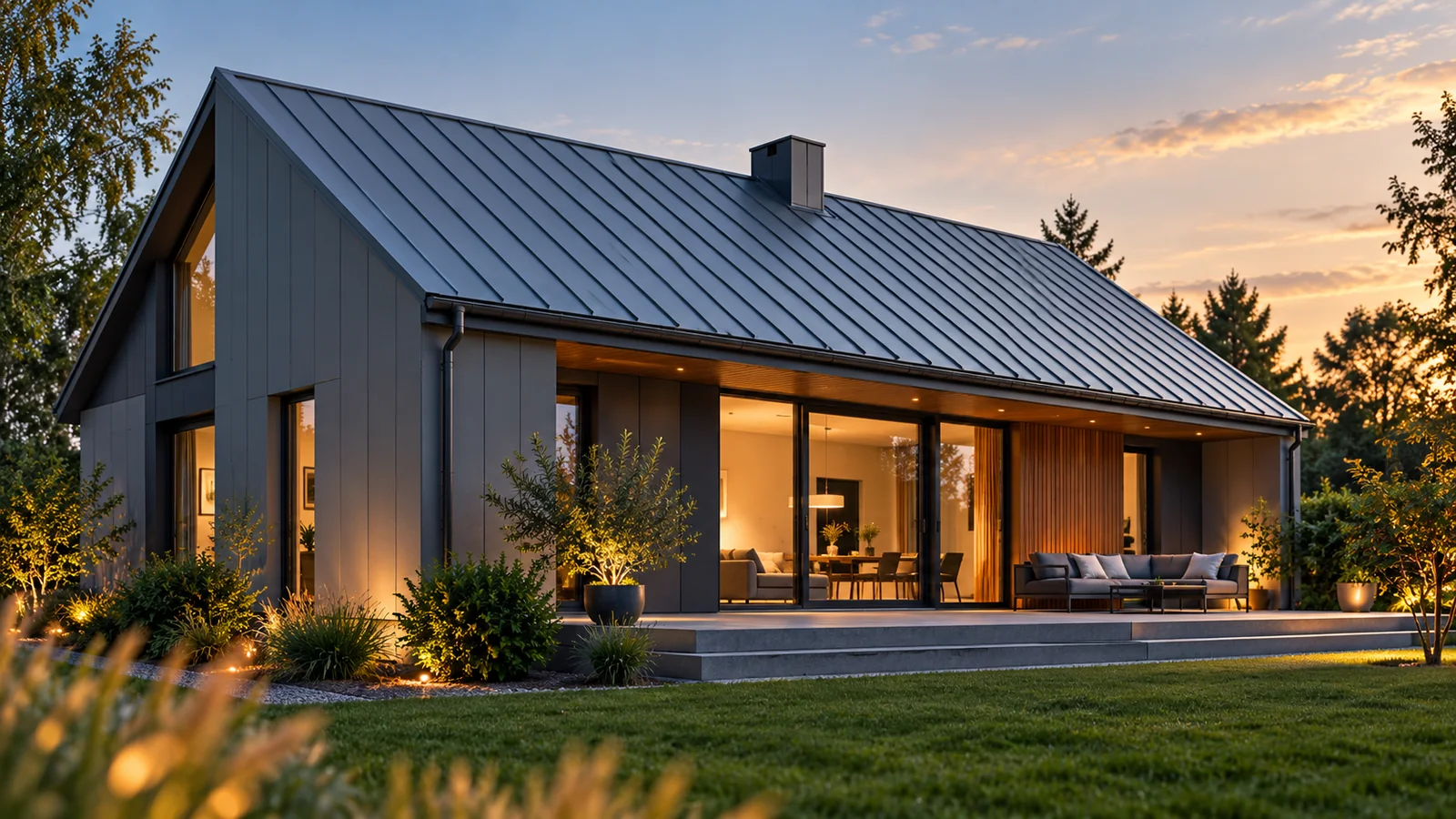
How is a traditional standing seam formed?
The edges of adjacent metal sheets are profiled and folded to form a joint above the main plane of the covering. The installer closes the seam using hand tools or machine tools. The shape of the fold, the method of closing it and the choice of metal belong to a single technical solution. It is not enough to bring together two randomly folded edges.
In traditional covering, appropriate clips are used. Some fix the sheet in the fixed zone, while others allow the sheet to move. This matters with temperature changes. The metal sheet expands and contracts. The fastening should not block this movement unnecessarily. The arrangement of the clips depends, among other things, on the length of the sheets, the position of the fixed zone and the wind load.
What does the second fold of the lock change?
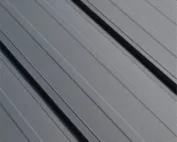
A single standing seam has a simpler fold arrangement. A double standing seam is achieved by closing the joint in successive steps. The additional fold lengthens and complicates the path that water would have to take. However, it does not mean that the finished roof becomes arbitrarily resistant to standing water or pressure.
The scope of application is determined by the pitch, material, sheet length and system instructions. Under certain conditions, seam sealants and additional detail solutions are required. Single standing seam is often used on facades and in appropriately selected steep applications. It should not be swapped for double standing seam solely because it looks similar from the ground. Qualification must be confirmed before work begins.
How does a snap-lock panel work?
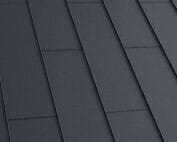
The panel has factory-formed edges. After bringing adjacent elements together, the seam snaps into the intended position. It does not require a traditional double fold along the entire length. Some systems have a mounting strip with slotted holes, hidden after the next panel is added. Others use their own fastening solutions.
The rules of one snap-lock system must not be transferred to another. Tolerances, sheet lengths and requirements for their movement differ. Some panels can be unlocked as described in the instructions. This is not a guaranteed feature of every product. Bending the seam during removal attempts can damage the edge or coating and make a tight reconnection more difficult.

Can every type be laid on the same battens?
The substrate is selected to suit the chosen system. Traditional standing seam metal and a ready-made panel may have different requirements for the sheathing, separation layer and ventilation. For panels, there are solutions permitting a specific batten spacing or full boarding. This condition is not determined by the seam height alone.
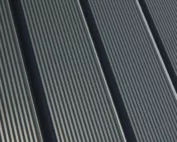
Evenness of the substrate also matters visually. Large, almost flat sheet fields reveal unevenness and local stresses. Micro-profiling can increase surface rigidity, but it does not correct bowed battens. Correct tightening of fixings and allowance for thermal movement are also important. Accidental stiffening of a long strip encourages deformation, even when the seam itself has been closed correctly.
How to compare labour and installation cost?
It is worth setting out the scope of works by technology.
| Solution | What affects the execution |
|---|---|
| Traditional standing seam | Profiling of strips, cleats, seaming and treatment of ends |
| Double standing seam | Accuracy of successive bends and the conditions required for the seam |
| Snap-lock panel | Factory-formed profile, length matching and system details |
Faster panel joining does not mean the whole labour cost will be low. Roof valleys, penetrations and a roof without eaves may require numerous flashings. Compare quotes for the same project and scope. The cost of laying a rectangular field alone does not describe the work on the whole roof.
What to ask before choosing?
Ask for a drawing of the seam, the required pitch and the fixing documentation. Establish the material, coating, strip length and substrate arrangement. Ask the contractor about experience with the specific technology. The ability to install a ready-made snap seam is not automatically experience in making traditional standing seams.
At handover, it is not only the straightness of the seams that is checked. The terminations at the eaves, ridge, chimney and walls are important. These are where the more difficult connections occur. Swarf must also be removed and coating damage treated in accordance with the instructions. A correctly selected seam type works as part of a complete roof. An aesthetically pleasing strip visible on the slope alone does not confirm that the details are watertight.
In the contract, it is advisable to specify the exact system and the scope of flashings. A general entry of “standing seam roof” leaves too many unknowns. It should be clear whether folded strips or ready-made panels are meant, and what substrate and accessories the contractor has included in the price.
7 branches. Materials closer to your project.