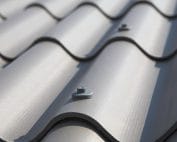
Assessing a roof after its first winter in an occupied building
Fibre cement coverings
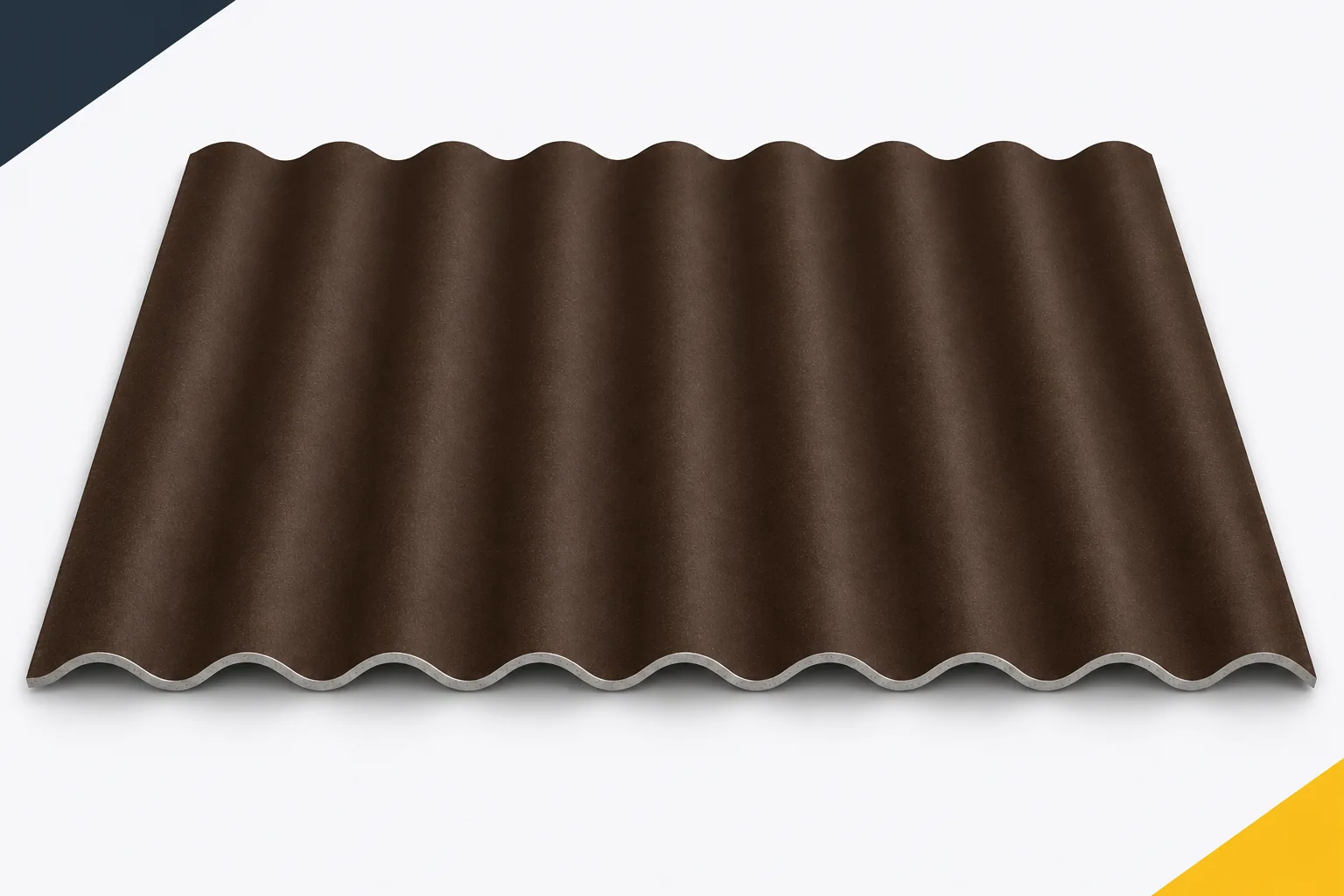
The first winter shows how the roof behaves in real use. Precipitation, wind, temperature fluctuations and moisture from inside all come into play. Fibre cement sheets should then be assessed together with the accessories and the layers beneath the covering. Asbestos-free fibre cement does not require hasty correction of every mark on the surface. What is needed is a calm inspection, documentation of the symptoms and a distinction between a change in appearance and a defect affecting how the roof performs. The installation plan, photos of details and material markings help establish what is actually being checked. It is also worth having the acceptance report and information about changes made during the works. This makes it possible to compare the current condition with the original execution.
In this article
Prepare documents before the inspection
Not every visible gap should be closed; some may serve ventilation. Without documentation, it is easy to mistake an intended element for a defect. It is a good idea to prepare a simple list of places to check: eaves, ridge, verges, valleys, penetrations and the areas where traces have been noticed. The inspection then becomes orderly and does not depend solely on what happens to be visible from one point.
Safe access is a prerequisite for the inspection
Fibre cement sheets are not a surface intended for walking on directly. This also applies to a new covering after one season. You should not go onto the roof just because it looks dry and solid. The inspection is carried out from suitable positions, platforms or using methods that reduce the need to go onto the roof. At the edges, avoid leaning the ladder against the sheets. If a precise check of the fastening is necessary, it should be carried out by a suitably prepared contractor. The cost of safe access is part of roof maintenance. Accidental pressure during the inspection can cause greater damage than the defect being sought.
Check whether the components have retained their position
It is worth looking at the row lines, laps and finishes. Look for displaced fittings, loose flashings and scratches near openings. Fibre cement sheets may only show the effects of inadequate support or excessive pressure once conditions change. Not all screws should be tightened automatically. First, the connection must be assessed according to the instructions. A damaged seal, a tilted fastener and a cracked ridge require different actions. It is good to document the location with a close-up and a photo of a wider section. The detail alone, without its location, makes it difficult to find the point later and to compare the change in the next season.
Drainage can reveal a problem beyond the covering
After winter, leaves, twigs and deposits may remain in the gutters and valleys. A blockage changes the path of the water, even if the sheets are tight. Asbestos-free fibre cement does not prevent an obstructed gutter from overflowing. The connections of the flashings and the way water is led away from the lower layers should also be checked. Traces on the façade may indicate a fault at the eaves rather than damage to the entire roof slope. During thaws, local snow accumulation also matters. It should not be removed with random tools that could damage the surface. If the situation requires intervention, the method of action must take into account the safety of the structure and of people.
Moisture inside requires establishing the circumstances
It is worth noting whether the stain appeared during rain, after a thaw or after a cool night without precipitation. Fibre cement sheets can be a place where condensation forms when the internal conditions do not match the design. With an insulated roof, the continuity of the layers and the ventilation should also be checked. Simply sealing the laps may not help if the moisture comes from the room. On the other hand, one must not attribute everything to condensation without inspecting the flashings. Both phenomena can occur together. Information about heating, wet works and the method of ventilation allows the contractor to narrow down the cause much faster than a photo of the wet surface alone.
Assess the surface appearance in the context of the material
Natural differences in shade, traces of dirt and efflorescence do not always mean a loss of properties. Fibre cement sheets are a mineral material, and the way they are stored and their surroundings affect their appearance. However, a distinction must be made between surface deposit and damage to the coating or a crack. It is not worth starting aggressive cleaning before it has been established what you are dealing with. Cleaning recommendations should correspond to the specific product. A proper spot test helps to assess the reaction of the surface. If a report to the supplier is planned, it is good first to keep photographs and information about the batch, instead of changing the condition of the material with a random preparation.
Determine the actions and the date for re-observation
After the inspection, it is worth separating defects requiring repair from things that should only be observed. Fibre cement sheets with a crack at the fastening require an assessment of the cause, not just cosmetic treatment. Minor dirt may have a different significance and a different service date. Each action should be recorded with the location, method of repair and parts used. Then the effect is checked under comparable conditions. No leak in a dry week does not yet confirm the effectiveness of the correction. The first inspection creates a reference point for subsequent years and makes it easier to distinguish a new change from a feature present from the beginning.
After the first winter, inspect the asbestos-free fibre cement together with the entire roof system. The prepared photographs, documents and weather description will help to choose the right repair or further observation.
7 branches. Materials closer to your project.