How sun and rain affect the finish on metal ridge caps
Flashings
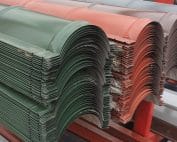
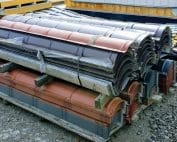
Ridge tiles are located in the most exposed part of the roof. Their surface is subjected to sun, precipitation and temperature changes. The choice of material therefore matters, but it does not explain everything. The durability of the ridge is also determined by the shape of the flashing, the condition of the edges and correct connections. It is worth assessing the whole detail before assuming that the colour alone or the name of the coating will deliver the expected result. Surface heating depends on its colour, finish and exposure conditions. A dark flashing may perform under different conditions than a light one on a shaded roof slope. This does not mean dark colours are prohibited. It means the coating and detail need to be matched to the actual application.
In this article
Sun affects temperature and appearance
Radiation and weather conditions also affect the appearance of the surface over time. The period for which the colour is retained cannot be derived from the colour code alone. The properties of the specific material are needed. Ridge tiles should be assessed together with the roofing, but not every declaration relating to other products may automatically be attributed to them.
Steel and coating play different roles
The steel substrate gives the flashing its shape and the appropriate mechanical properties. The protective layers limit the influence of the environment on the metal. Coated steel sheet also has an organic surface finish. The selection of the ridge tile should include all of this information, and not merely the shade visible after installation.
Galvanised and aluzinc steel sheets have a metallic type of protection. They are not sheet without protection simply because they have no coloured paint. On the other hand, a metallic appearance alone does not determine resistance in any given environment. The material specification must be related to the place of application.
Shape should match the roof slopes
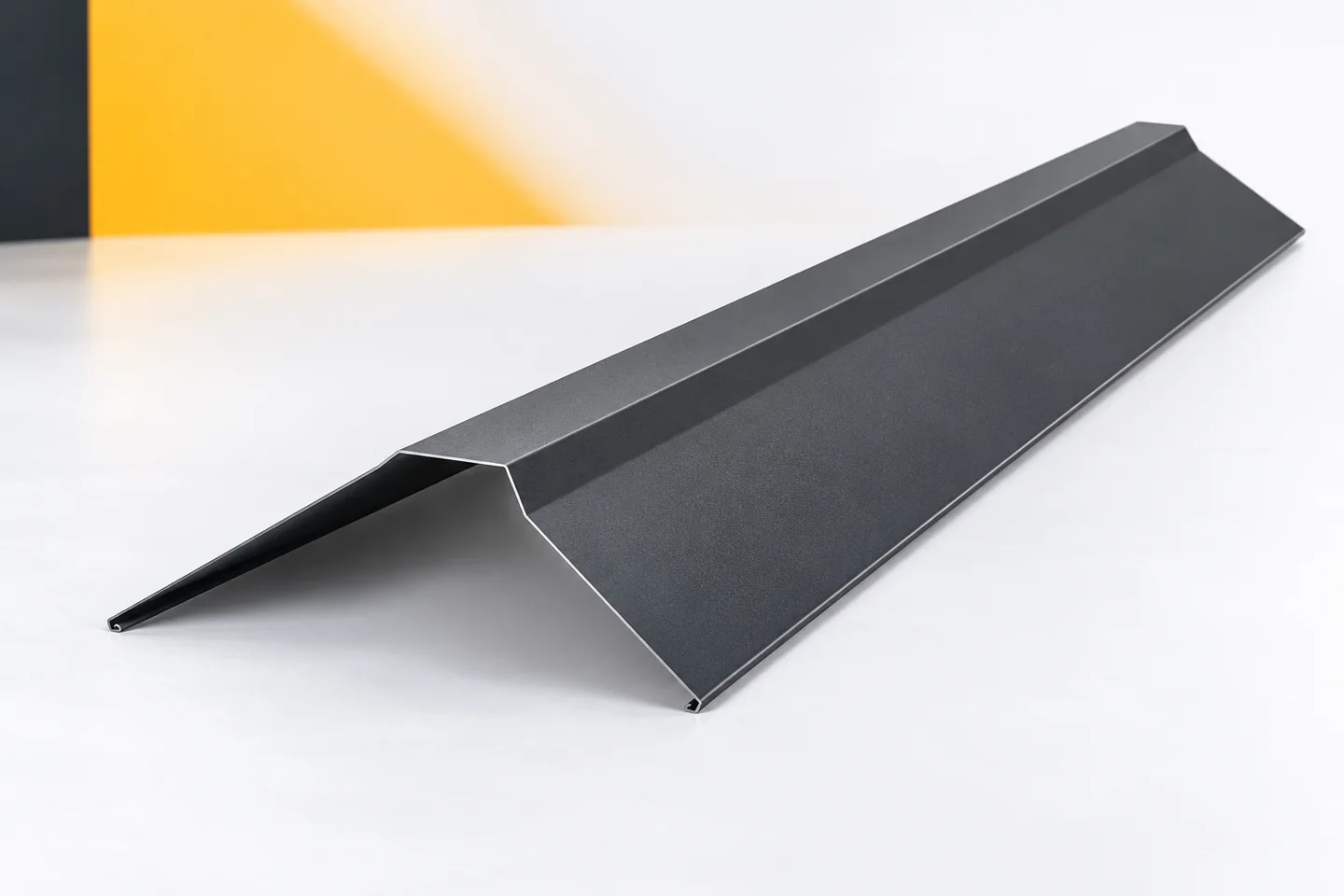
Ridge caps cover the roof junction, but they must sit correctly over the roofing. A mismatched angle or arms that are too small can make it difficult to form the intended detail. Forced pressing of the flashing does not automatically improve its performance. Instead, it causes stress and deformation of the sheet.
The correct seals and the method of fixing must be maintained in the solution. For ventilated roofs, the designed air exchange is also important. For sandwich panels, the detail of their system applies. The principles intended for roofs of different construction should not be combined arbitrarily.
Temperature changes must be accounted for in the connection
Metal changes dimensions with temperature. That is why the length of sections and the way they are joined matter. Ridge tiles should not be installed on the principle that the more rigid connections, the better. The solution specified for the particular covering and material must be retained.
This is not an encouragement to leave fastenings loose. The correct detail determines both stability and the ability of the components to work together. At acceptance, it is worth inspecting the areas around the screws and the laps. Clear deformation may require clarification before it is accepted as a normal surface characteristic.

Edges require careful treatment
When cutting, methods that overheat the metal should be avoided. Suitable shears and tools recommended for sheet metal are used for flashings. Cutting with an abrasive disc can damage the edge protection and adjacent surfaces. This also applies to seemingly minor adjustments at the end of the ridge.
After drilling, ridge tiles must be cleaned of swarf. It must not remain on the coating or in the joint. The method of protecting the cut edge or a point scratch should correspond to the recommendations for the material. Incidental paint of a similar colour is not a full repair specification.
It is worth selecting the appearance on a sample
On the ridge, light reflects differently than on a wide roof slope. Differences in gloss can therefore be clear even with a common colour code. A sample helps to compare the expected finish. It is worth viewing it also at an angle, not only straight on.
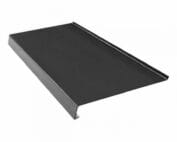
Verge flashings, gutter aprons and chimney flashings can be coordinated with the ridge cap. Starter profiles often work in a different zone, so their material still requires separate selection. Non-standard sheet metal flashings should have an equally precisely described coating. A consistent appearance does not exempt from assessing the conditions of each location.
An inspection allows changes to be noticed early
During roof inspections, it is worth checking the surface of the ridge cap, the condition of the laps and the ends. There is no need to wait for a visible leak. Scratches, coating detachment and incorrect fastenings require assessment. Access to the ridge should be organised safely, using a prepared team.
If only part of the flashings is to be replaced, the new material must be compared with the existing one. A used surface may look different from fresh sheet metal. The retained specification of the original delivery helps. Thanks to it, the decision covers the actual type of coating, not just an approximate colour similarity.
Questions and answers
Is a dark ridge tile inherently unsuitable?
No. Dark colours require a suitably selected coating and correct detailing. Suitability is determined by the material specification and the conditions of use.
Does a coloured coating mean no need for inspections?
No. The condition of the surface, joints and fixings must still be checked. Even a good material can be damaged during installation or subsequent roof service.
7 branches. Materials closer to your project.