How can you recognise a well-stocked sheet and panel depot?
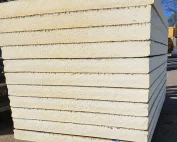
Sandwich panels
A well-stocked sheet and panel depot should help you put together the material for a specific build. The number of packs in the yard is not enough for such an assessment. You need the right products, documentation, matching accessories and efficient logistics. Check these elements before you buy. This way you will avoid shortages, accidental mixing of systems and costly extra orders. A large range helps if it is organised by application and parameters. Wall panels should be distinguished from roof panels, and PIR insulation from panels with steel facings. Similarly, T18 and T35 sheet and high structural profiles serve different purposes. The sheer number of names does not tell you whether the supplier has material that suits your project.
Does a wide selection always make buying easier?
A large range helps if it is organised by application and parameters. Wall panels should be distinguished from roof panels, and PIR insulation from panels with steel facings. Similarly, T18, T35 and high structural profile sheet serve different purposes. The sheer number of names does not tell you whether the supplier has material that suits your project.
Ask for a specific variant and its documentation. A good description gives cover dimensions, thicknesses, coatings and intended use. It should not promise one load-bearing capacity for all panels. If the seller asks about support spacing and conditions of use, they are gathering the necessary data. This is also helpful when you initially planned simply to buy the ‘cheapest panel’.
How do you check the warehouse and storage methods?
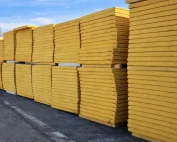
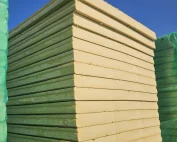
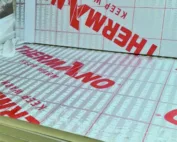
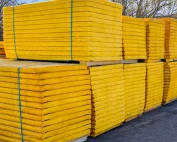
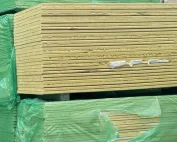
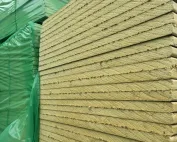
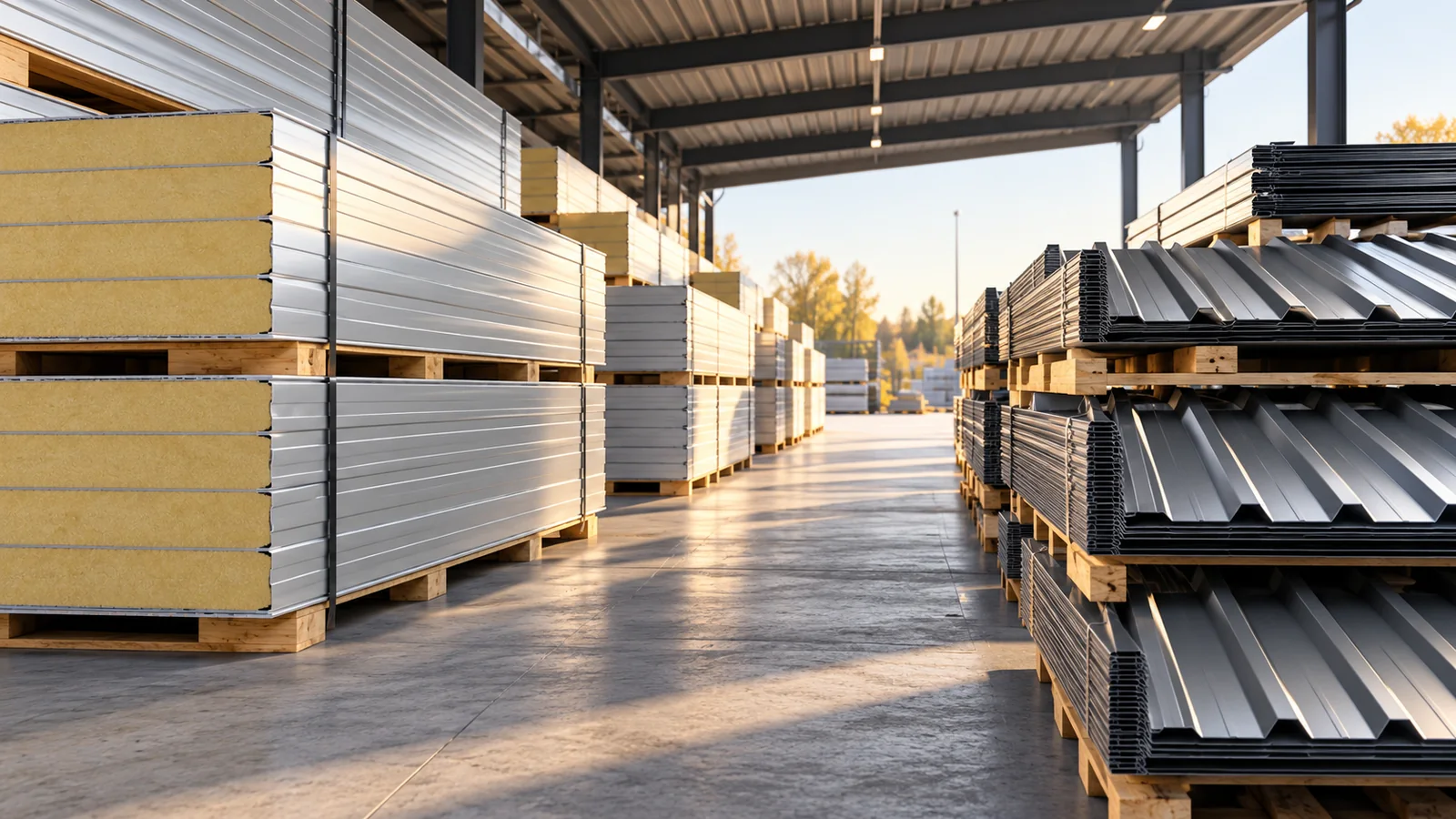
Pay attention to even support of the packs, edge protection and the possibility of water drainage. The material should not be exposed to random vehicle movement or point loading. Wet panels sealed tightly in packaging require clarification. The condition of the protective film also matters. It is not intended for indefinite storage in the sun.
When buying a specific pack, inspect both ends and the visible edges. Ask about the production date and the storage history, if known. Not every material on the yard comes from a current delivery. An older batch may be usable, but it should be assessed honestly. The inspection is to establish the condition of the product, not just to confirm the colour from a photograph.
Can you buy the complete set you need?
Panels and sheets require the right fasteners, flashings and seals. A good yard can point out components that match the given system. A screw of the right length does not always have the right drilling capacity or corrosion protection. The seal in the seam serves a different function from the tape on the support. These accessories should not be treated as arbitrary substitutes.
Ask for a list of flashings for corners, openings, eaves and ridge. Check whether they can be ordered in the required dimensions and coating. A missing small component can halt the installation of the entire roof slope. It is worth knowing what is available off the shelf and what only after production. The lead time for the complete set is more important than the quick availability of the panel alone.

How do you assess the help with cutting material?
Useful service can work with a list of lengths and the cover module. It should distinguish between the project area and the ordered area. Openings do not always reduce the number of panels by exactly their area. On the other hand, using offcuts requires matching direction and connection. That is why simply dividing the square footage by the panel area is often not enough.
Establish who approves the final dimensions. The seller can help with compilation, but site measurements and structural solutions must have defined responsibility. Do not order production based on an unverified sketch. Good confirmation includes the number of pieces, lengths, coating sides and any end preparation. A clear table limits disputes after delivery.
What should be clear about delivery and complaints?
Before payment, establish the means of transport, the collection point and the method of unloading. Not every delivery includes a crane or lift. Long panels require adequate support when being handled. Check whether the vehicle has somewhere to enter and stand. A description of the site conditions will help avoid unnecessary waiting or returning with the load.
Ask how damage noticed on receipt should be documented. A contact to the person handling the case is needed, not just a general hotline. The terms should clarify the difference between a defect in the material sold and damage in transport. For second grade, a written description of accepted defects is important. Arrangements made before purchase make it easier to assess conformity of the delivery later.
How do you decide without being led by slogans?
Compare the completeness of the specification, actual availability and the full order price. Pay attention to answers concerning product limitations. A reliable supplier does not promise that every panel will be suitable for a roof and every profile will withstand any spacing. It can also point out a situation requiring a design or additional technical confirmation.
You do not need proof that the yard is the largest in the country. You need matching panels, sheets and accessories within the agreed deadline. Choose an offer where it is clear what you are buying, how it will be delivered and who is responsible for handling. Such organisation reduces the risk of downtime. It often brings greater benefit than a small discount on the material alone.
7 branches. Materials closer to your project.